Mindful Reflection Journals: 2026 Inner Landscape Guide
September 15, 2026 · 17 min read
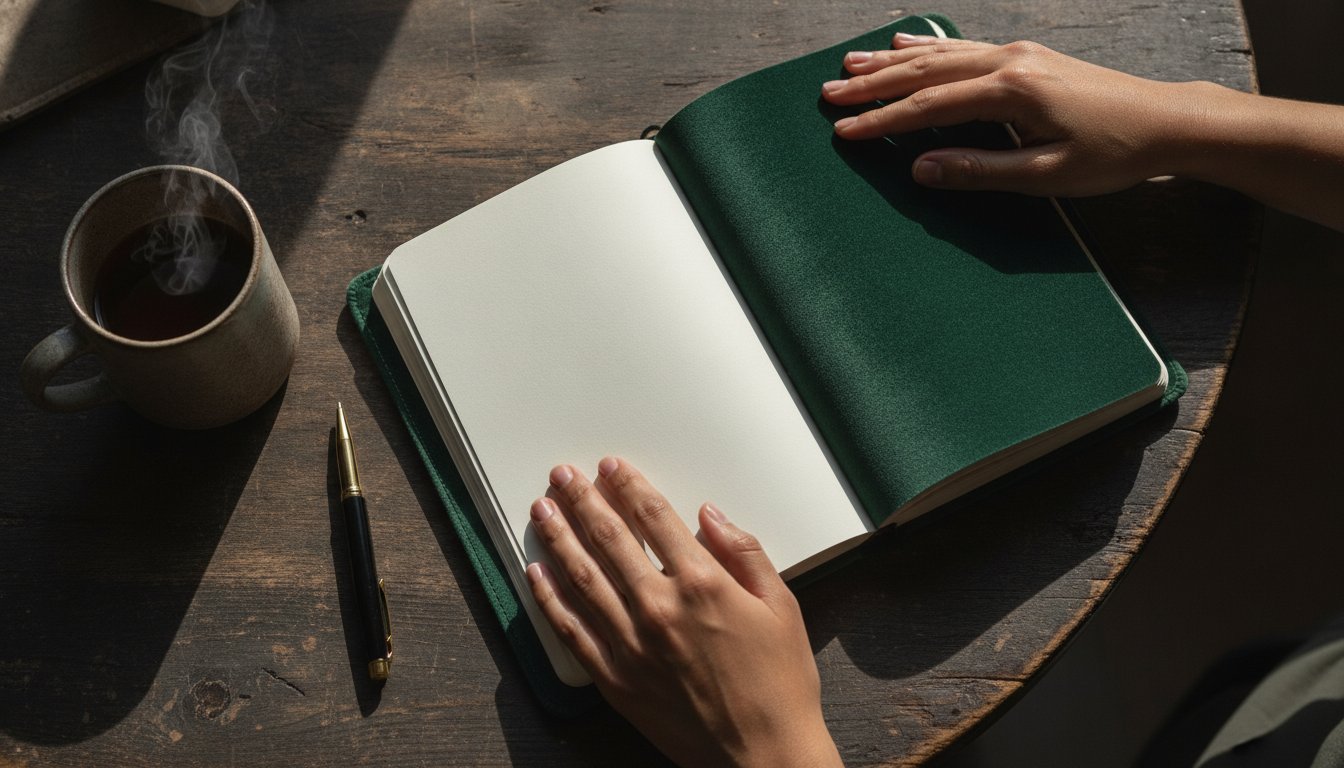
What if the silence of a blank page wasn't a demand for perfection, but a gentle invitation to breathe? Many of us feel scattered and running on fumes. We're lost in the digital noise that clouds our internal landscape. You might feel that real reflection requires hours you don't have. You might face a heavy sense of anxiety when your pen meets the paper. It's a common weight to carry. Finding the right journals for mindful reflection can change this. It turns a daunting task into a quiet, rhythmic pulse of restoration.
You deserve a space where your thoughts can land softly. We believe your daily ritual should feel like a gift, not a chore. This guide explores the 2026 shift toward emotional fitness and nervous system regulation. We'll also look at how structured tools like the Just 30 Days series provide a steady, non-judgmental hand for your personal evolution. Discover how to transform your scattered thoughts into a tangible record of growth and clarity. It's time to find your way back to yourself.
Key Takeaways
- Learn how to witness your internal landscape by moving beyond simple diary entries into the heart of intentional reflection.
- Discover why a 30-day cycle acts as a golden window for emotional shifts, offering a safe container that gently reduces the fear of failure.
- Find the best journals for mindful reflection by understanding how prompts serve as gentle conversation starters for your soul.
- Create a sustainable daily ritual by carving out a sacred pocket of time and engaging your senses to ground your practice in physical comfort.
- See how the Just 30 Days series by Ianthe Writes provides a structured yet nurturing vessel for your continued personal evolution.
What are Journals for Mindful Reflection?
Mindful reflection isn't about tracking your productivity or logging your meals. It's the intentional act of witnessing your internal landscape. It's a quiet pause. A breath held on paper. When you use journals for mindful reflection, you aren't just writing; you're listening. You're giving your spirit a place to speak without the ego interrupting to correct the grammar of your soul. This is a practice of presence. It's about being here, now, with yourself.
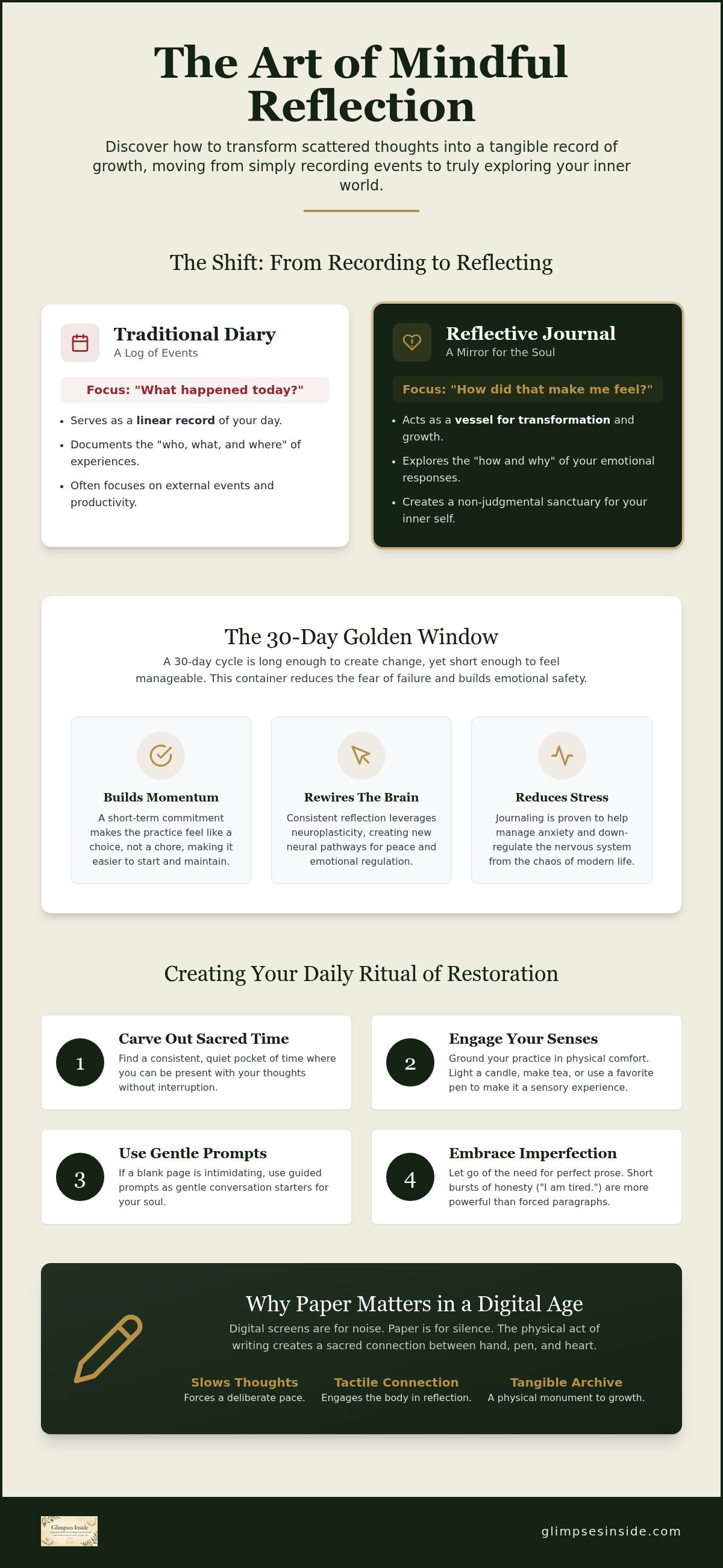
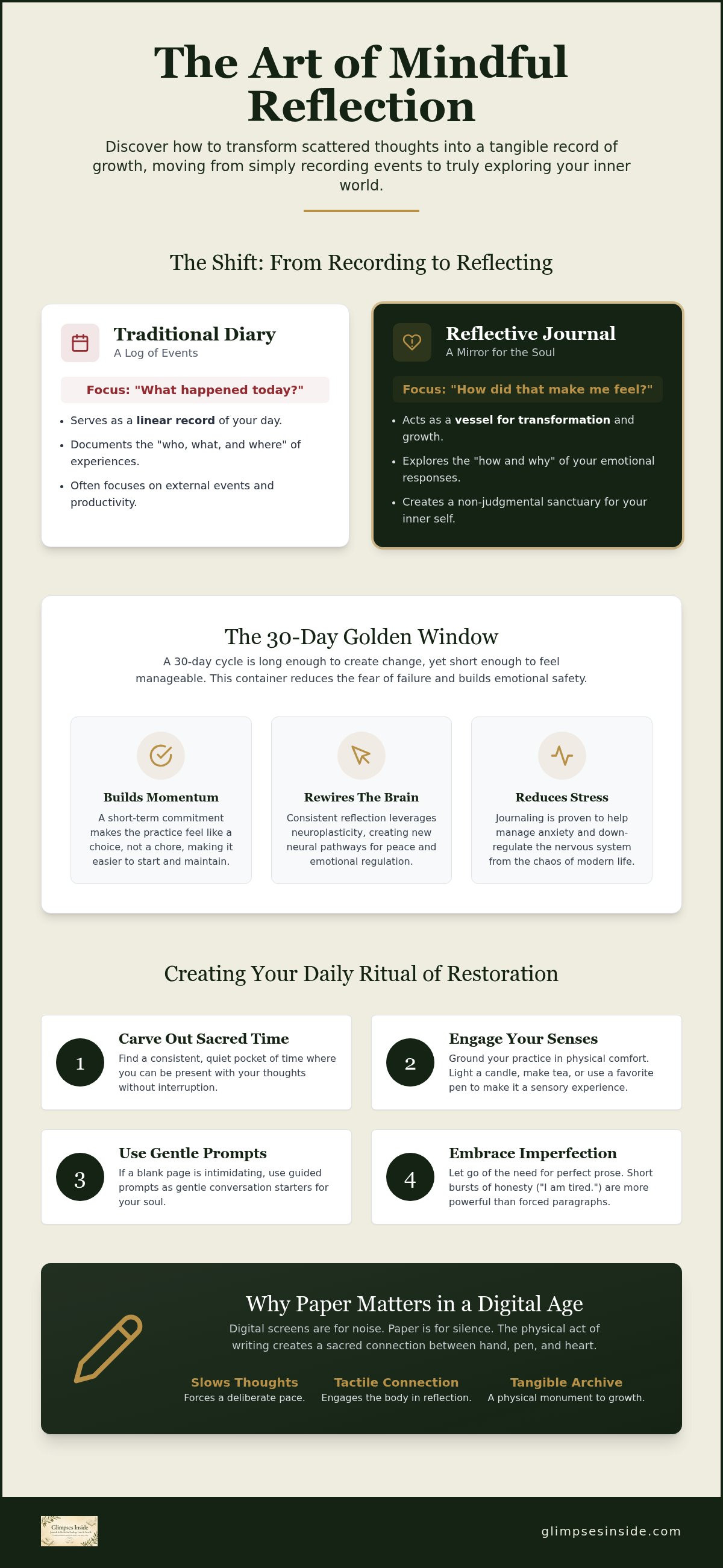
A journal acts as a non-judgmental companion for your thoughts. It doesn't talk back. It doesn't judge the messy parts of your healing. Instead, it offers a sanctuary of emotional safety within the physical bounds of a book. This process is rooted in Reflective practice, a way of looking back at your experiences to learn and grow. Unlike a traditional diary, which often serves as a simple record of events, a reflective journal is a vessel for transformation.
Distinguishing between these two paths is vital for your journey:
- Traditional Diary: A linear log. It records the "who, what, and where" of your day.
- Reflective Journal: A spiritual mirror. It explores the "how and why" of your emotional responses.
The Shift from Recording Events to Exploring Emotions
Moving beyond "what happened today" requires a shift in perspective. It's about moving from the head to the heart. Choosing the right journals for mindful reflection allows you to create a sanctuary where the ego steps aside. Use the page as a mirror for the spirit. If you felt a sudden burst of joy during a mundane task, don't just record the task. Explore the joy. What did it feel like in your body? Where did it come from? The role of curiosity is essential here. It allows you to discover hidden emotional patterns without shame. You're not fixing yourself; you're meeting yourself.
Why Physical Documentation Matters in a Digital Age
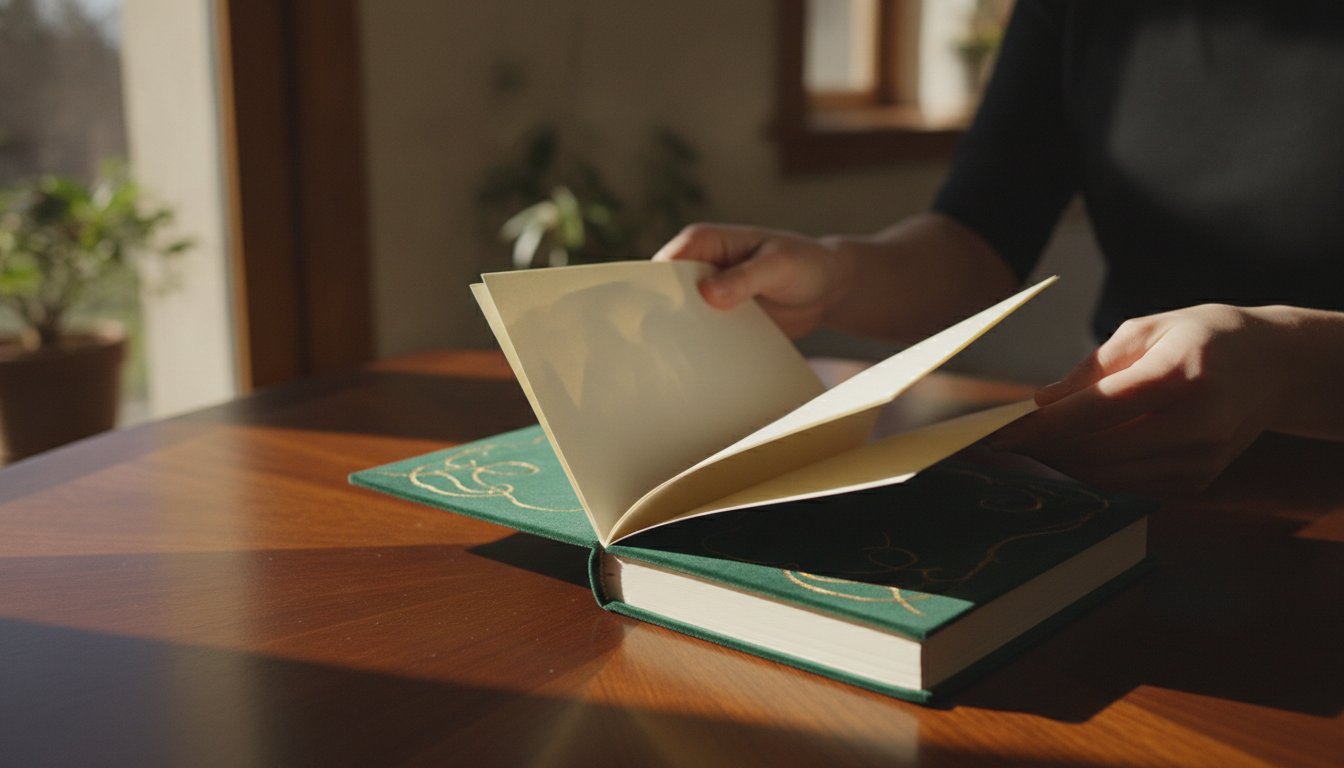
Digital screens are for noise. Paper is for silence. There's a sacred, tactile connection between the hand, the pen, and the heart. Writing by hand slows the rhythm of your thoughts. It forces a deliberate pace. You can't delete a feeling as easily as a text box. This physical act creates a tangible archive of your personal evolution. As you fill the pages of a series like Just 30 Days, you're building a monument to your own growth. You're creating something you can hold. You're honoring the passage of time with your own ink.
The Science and Spirit of a 30-Day Reflective Journey
Thirty days isn't just a random number. It's a golden window for the soul. It's long enough to notice the subtle shifts in your heart, yet short enough to feel manageable. When we embrace journals for mindful reflection, the 30-day container acts as a gentle boundary. It reduces the paralyzing fear of failure. You aren't committing to a lifetime of rigid perfection. You're simply committing to a single moon cycle of discovery. This short-term commitment allows you to breathe. It makes the practice feel like a choice rather than a chore.
There is deep science rooted in this stillness. Consistent reflection helps rewire the brain through neuroplasticity, creating new pathways for peace. It signals to your nervous system that it's finally safe to down-regulate from the chaos of modern life. Modern research on the benefits of journaling shows it can significantly help manage anxiety and reduce the heavy weight of daily stress. By choosing journals for mindful reflection and showing up for thirty small, intentional moments, you're teaching your body a new way of being. You're moving from a state of "always on" to a state of being truly present.
Building Emotional Safety in Small Increments
Daily prompts act as a soft, empathetic guide. They lead you through internal terrain that might otherwise feel too rugged to walk alone. Don't feel pressured to write long, flowing paragraphs. Sometimes, the deepest truths live in staccato fragments. Short bursts of honesty. "I am tired." "The tea was warm." "I am learning to let go." These brief expressions bypass the internal critic that demands complexity. They replace the loud voice of judgment with a supportive whisper. It's about small, safe steps toward your own center.
The Rhythm of Restoration
Every month has a natural ebb and flow. Some days the ink flows fast and the words are plenty. Other days, your thoughts might feel like a slow trickle. Both states are valid and necessary. Using a 30 day journal for clarity helps you find stillness even when the external world feels overwhelmingly loud. This consistency has a powerful, cumulative effect on your spirit. It's like water slowly carving a path through stone. Small, daily reflections lead to profound, long-term restoration. If you're seeking a gentle vessel for this practice, the Just 30 Days journals provide a nurturing space for your personal evolution to unfold.
Choosing Your Vessel: Guided Prompts vs. Blank Pages
The vessel you choose for your thoughts is more than a simple notebook. It is the container for your evolution. It's a sacred choice. When exploring journals for mindful reflection, you'll often face a choice between the vast freedom of blank pages and the gentle safety of guided prompts. Blank pages offer total liberation. However, for many, that emptiness triggers a quiet anxiety. It feels like a demand for profound wisdom that isn't always ready to surface. Guided prompts, conversely, act as a supportive whisper. They offer a starting point. They turn the daunting task of "beginning" into a rhythmic response to a kind question.
The tactile experience matters deeply. The weight of the paper and the texture of the cover are not mere vanities. They are sensory signals. They tell your brain that this time is sacred. A beautiful book invites you to linger. It encourages you to treat your internal landscape with the reverence it deserves. Whether you prefer a minimalist aesthetic or the curated warmth of a gift box, the physical vessel should feel like a sanctuary you want to inhabit. Your journal is a conversation starter for the soul. It should be a place where you feel welcome to stay for a while.
Why Structured Prompts Help You Reconnect
Prompts serve as a vital bridge over the gap of silence. They help you navigate the moments when you simply don't know what to say. By asking specific, heart-centered questions, these guides target deep-seated hopes and beliefs that often hide beneath the surface of daily stress. Many personal growth books for women utilize these guided structures to break down complex emotional barriers. A well-crafted prompt doesn't tell you what to think. It simply opens a door. It invites you to walk through and see what's waiting on the other side.
Matching the Journal to Your Emotional State
Your life moves in seasons. Your journaling practice should move with it. In times of transition or grief, the structure of a guided journal provides the scaffolding you need to stay upright. In seasons of creative expansion, blank pages might serve you better. Author-led journals provide a sense of a shared path. They remind you that you aren't walking this terrain alone. The Just 30 Days series offers a beautiful middle ground. It provides enough structure to feel safe, yet enough space to let your unique spirit breathe. These journals for mindful reflection ensure that no matter your emotional state, you have a vessel that honors your current truth.
Creating Your Daily Ritual of Restoration
Reflection is not a task to be checked off a list. It is a rhythm to be inhabited. To begin, you must carve out a sacred pocket of time in your day. This isn't about finding time; it's about protecting it. Even ten minutes can be enough if those minutes are guarded with intentionality. This space belongs only to you. It is a pause in the noise. A soft place to land. When you approach your journals for mindful reflection with this mindset, the practice shifts from a chore to a necessary breath.
Setting the Sensory Stage for Reflection
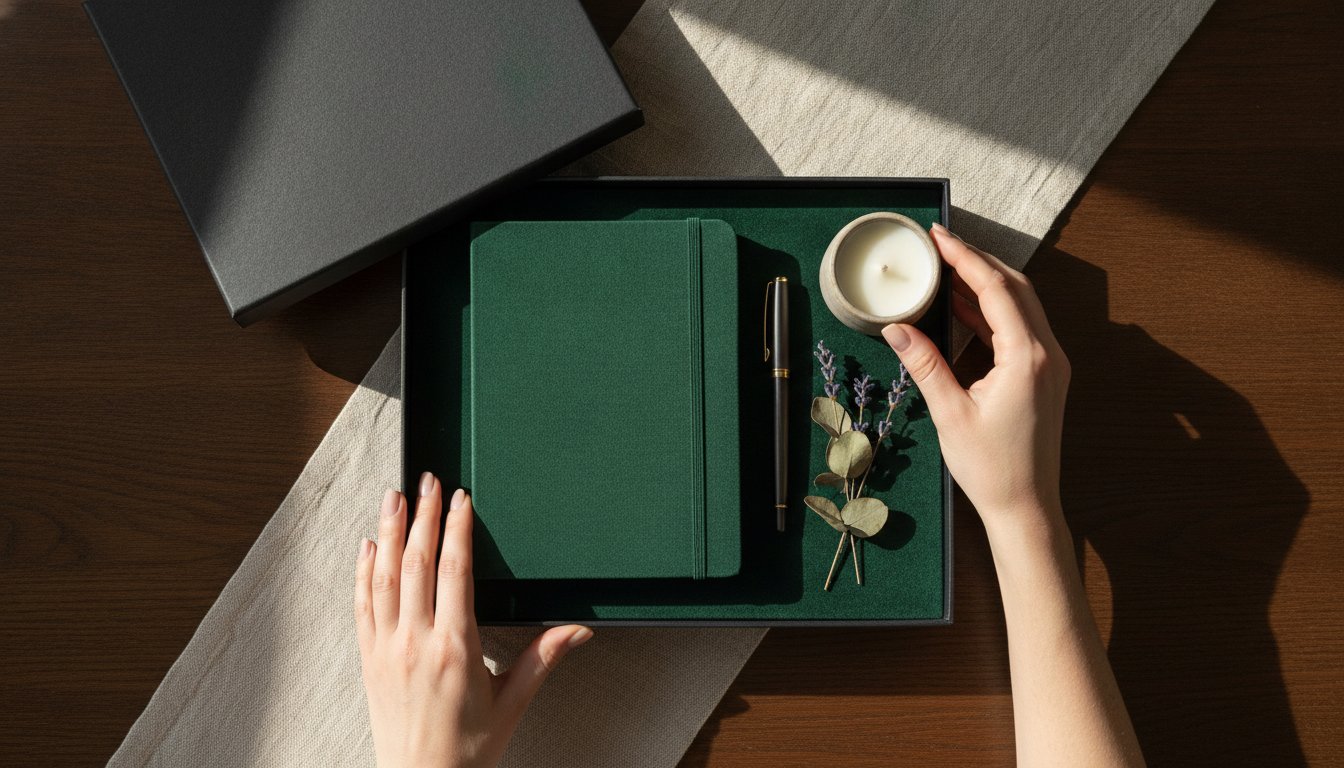
Your brain needs signals to know it is time to descend into the heart. Engaging the senses creates a bridge between the chaotic external world and your quiet internal landscape. Soft lighting, the scent of a familiar candle, or the warmth of a favorite blanket act as physical anchors. These small details tell your nervous system that it's safe to open up. Many find that curated gift boxes provide the perfect sensory foundation for this ritual. They offer a gentle guide environment that feels like a supportive hug for the spirit.
The Art of the Deep Dive
Once you are settled, the goal is to move beyond the surface. Your logical brain will often offer a polite, safe answer to a prompt. Don't stop there. Look for the second layer of truth. The second-thought technique is the practice of looking past your initial, polite response to a prompt to uncover the raw, unspoken emotion vibrating beneath the surface. Use a rhythmic, poetic cadence in your writing. Don't worry about being profound. Just be honest. Short fragments are often more truthful than long explanations. Let the ink follow the pulse of your intuition rather than the rules of your ego.
There will be days when the words don't come easily. This is part of the process. Practice deep self-compassion in these moments. If the page remains mostly white, honor that silence. Perhaps your soul needs rest more than it needs expression. You don't have to perform for your journal. Simply being present with the pen is an act of restoration. As you finish, close your session with a moment of gratitude or a few seconds of absolute stillness. This seals the practice. It allows the clarity you've found to settle into your bones before you return to the world.
If you're ready to anchor your daily practice in physical comfort and intentionality, explore the Just 30 Days journals and gift boxes to begin your journey of restoration today.
The Just 30 Days Series: A Gentle Companion for Your Journey
The "Just 30 Days" series is more than a simple collection of prompts. It's an intentional vessel for your personal evolution. Designed by author Ianthe Writes, these journals for mindful reflection offer a soft-spoken confidence. They act as a supportive whisper in your private journey. Ianthe's perspective is deeply intimate and nurturing. She focuses on the nuances of human connection and the quiet power of focused attention. These journals aren't meant to be rushed. They invite you to linger on a single thought. They encourage you to feel seen in your own private documentation. These publications are the logical next step for anyone seeking gifts for emotional healing. They provide a safe, structured container for the heart to unfold into a rhythmic journey of emotional restoration.
Curated Gift Boxes: Supporting the Spirit
Glimpses Inside gift boxes are thoughtfully assembled to complement your journaling ritual. They aren't just collections of items. They are physical anchors for your soul. Each box represents a gesture of intentional giving, whether you're gifting it to yourself or a loved one. You can expect tools that engage the senses and ground your practice. Soft textures. Calming scents. Gentle colors. These elements signal to your brain that it's time for soulful reflection. They turn a simple habit into a sacred ceremony of restoration. By anchoring the practice in physical comfort, these boxes help you stay present in your internal landscape. They make the journey feel supported, warm, and deeply intentional.
Looking Forward: Upcoming Works by Ianthe Writes
The journey of self-discovery is a long-term unfolding. It doesn't end when you fill the last page of a 30-day cycle. Ianthe Writes is currently crafting new literary works and upcoming books to continue bridging the heart's distance. These future projects will explore deeper facets of personal restoration and the beauty of a gradual transformation. They invite you to join a community of quiet observers. These are people who value depth over surface-level interaction and patience over quick fixes. By choosing these tools, you're joining a shared path of healing and awareness. Stay present with us. More vessels for your spirit are on the horizon, each designed to hold your unfolding story with a steady, non-judgmental hand.
Embracing Your Path to Personal Evolution
You've discovered how witnessing your internal landscape transforms your daily rhythm. By embracing a 30-day cycle and a sensory-rich ritual, you create a sanctuary for your spirit. Choosing the right journals for mindful reflection isn't just about writing. It's about making space for your soul to speak. This practice is a gift of time and presence. It's a way to honor the person you're becoming.
Our Just 30 Days series offers author-curated prompts by Ianthe Writes. These are crafted with a focus on emotional safety and personal evolution. Whether you're seeking clarity or comfort, these tools act as a steady, non-judgmental hand. We offer global shipping for our soulful, intentional gift boxes to support your journey anywhere in the world. Your evolution is a beautiful, unfolding process. Trust the pace. Trust your pen.
Explore the Just 30 Days series and curated gift boxes to begin your journey of restoration today.
Frequently Asked Questions
What is the best time of day for mindful reflection journaling?
The best time for mindful reflection is the moment you can truly protect as your own. Many find the soft light of morning ideal for setting an intention. Others prefer the quiet of the evening to release the day's weight. There is no rigid rule. It's about finding a rhythm that feels like a gift. Choose a time when you can engage your senses without interruption.
How do I choose between a guided journal and a blank one?
Choose a guided journal if you feel anxious when faced with a blank page. Guided prompts act as a supportive whisper, leading you through difficult terrain. They're perfect for beginners or those in hard seasons. A blank journal offers total freedom for creative expansion. If you're seeking a balance, the Just 30 Days series provides enough structure to feel safe while leaving space for your unique spirit to breathe.
Can journaling really help with emotional healing in just 30 days?
Yes, 30 days is the golden window for creating meaningful internal shifts. This timeframe allows your nervous system to down-regulate and form new pathways through neuroplasticity. Using journals for mindful reflection during this period helps you witness your evolution in real time. It's long enough to notice patterns but short enough to feel manageable. Small, consistent actions during these thirty days lead to profound restoration. Every small step builds a foundation for clarity.
What should I do if I find a prompt too difficult or emotional to answer?
If a prompt feels too heavy, honor that feeling with deep self-compassion. You don't have to force an answer. Sometimes, the most honest response is sitting in the silence. You might write a single word or a staccato fragment about how you feel in the moment. It's okay to skip a page and return when you feel more grounded. Your journal is a non-judgmental companion. It's a place to be, not to perform.
Do I need to be a "good writer" to start a reflection journal?
You don't need to be a "good writer" to begin this journey. Reflection is about witnessing your spirit, not performing for an audience. Your grammar and spelling don't matter in this sacred space. Focus on the tactile experience of the pen on the paper. Let your thoughts land softly. Whether you write poetic sentences or messy fragments, the value lies in the act of documentation. Your journal is a mirror for your soul.
How long should a typical journaling session last?
A typical session can last anywhere from ten to twenty minutes. You don't need hours to find emotional clarity. A short, focused pause is often more effective than a long, forced exercise. The goal is to reach the second layer of truth, which often happens after just a few minutes of quiet writing. If you're pressed for time, even five minutes of intentional reflection acts as a powerful anchor for your day.
Is it better to journal by hand or use a digital app for mindfulness?
Writing by hand is more restorative because it creates a physical connection between the heart and the page. Digital apps can feel like more noise in a loud world. The tactile experience of a physical book slows your thoughts. It encourages a meditative pace that screens can't replicate. Journals for mindful reflection are designed to be felt. Holding the paper and seeing your own ink creates a tangible, lasting record of your personal growth.
How can I make journaling a consistent habit if I am busy?
Anchor your practice to a sensory cue to make it a sustainable habit. Use items from curated gift boxes, like a specific candle or tea, to signal to your brain that it's time for reflection. This creates a physical ritual that feels like a supportive hug. Protect ten minutes by treating it as a non-negotiable appointment with yourself. When the practice feels like a gift rather than a chore, you'll naturally find the time to stay present.